
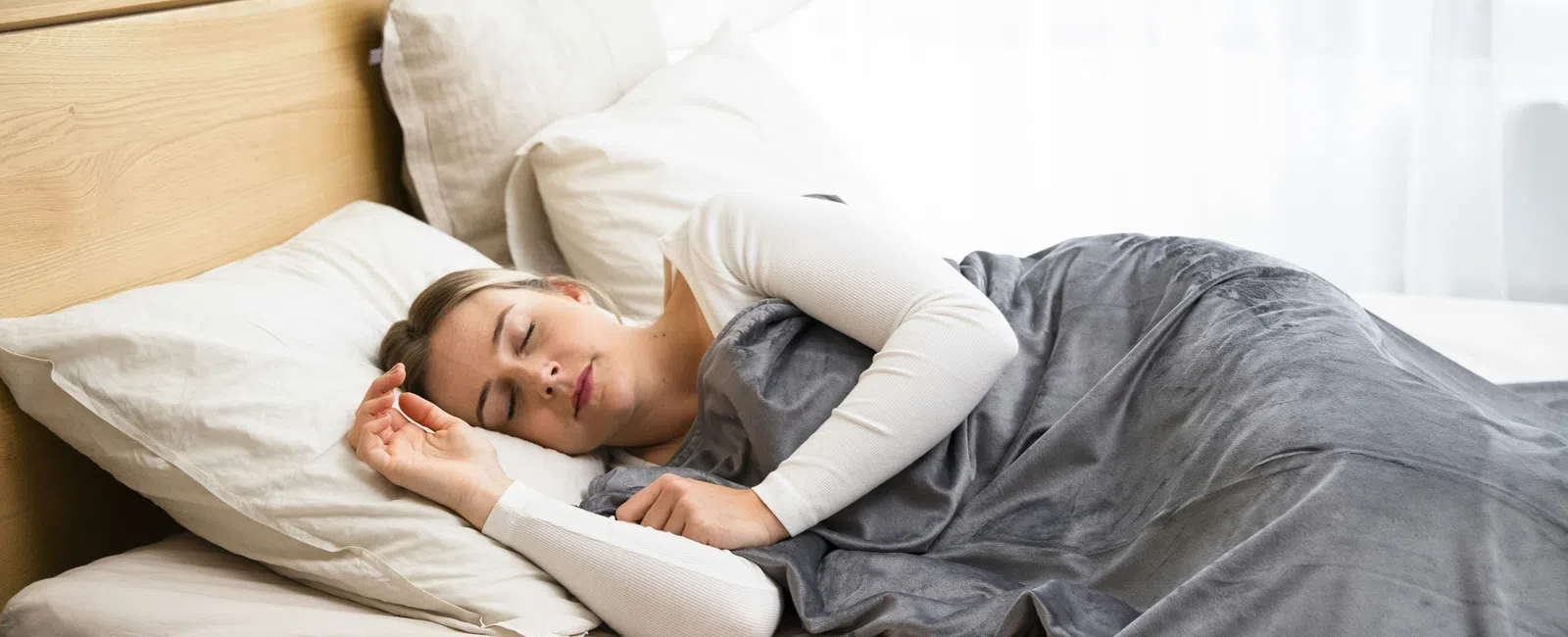
Learning how to treat sleep apnea in Lincroft, NJ could help you sleep more soundly and have more energy during the day.
A full night in bed should help you feel ready for the next day. But if you snore heavily, wake with headaches, or struggle to stay awake during the afternoon, poor breathing may be affecting your rest.
Call Newman Springs Dental Care at 732-352-3903 for an appointment.
Why Does Sleep Apnea Leave You Tired?
The big picture: Your sleep may be interrupted many times without you realizing it.
Obstructive sleep apnea occurs when your airway becomes narrow or blocked during sleep. As muscles around your throat relax, your tongue and nearby tissues can shift and make it harder for air to pass.
Your brain responds when it notices the drop in airflow. It moves you into lighter sleep so you can start breathing normally again. You may have no memory of these events the next morning.
When this cycle keeps happening, your body may miss out on the deep sleep it needs to recharge.
Which Sleep Apnea Signs Should You Notice?
Loud snoring is one possible clue, but it is not enough to diagnose sleep apnea. Other symptoms can appear during the night or after you wake.
Keep an eye out for:
- Gasping or choking while asleep
- Breathing that pauses during the night
- Waking with a headache
- Having a dry mouth in the morning
- Feeling tired after a full night's sleep
- Trouble concentrating during the day
- Mood changes or irritability
Since you are asleep when some symptoms occur, your partner may be the first to notice a problem.
Can Fall Changes Make Snoring Worse?
They can. Seasonal allergies may leave your nose stuffy or swollen, making it harder to breathe through your nose. Heated indoor air can also dry your nose and throat.
Your sleep position may affect snoring, too. Lying on your back can allow the tongue and relaxed tissue to move toward the back of your throat. Less room for air to pass may lead to noisier breathing.
Fall may make these problems easier to notice, but frequent snoring can happen during any season.
Why Is Getting a Diagnosis Important?
Sleep apnea can affect more than your morning energy. Daytime tiredness may make it harder to work, focus, remember information, or drive safely.
The condition can also affect your health over time. Untreated sleep apnea has been linked to an increased risk of high blood pressure, heart disease, stroke, and type 2 diabetes.
A healthcare provider can review your symptoms and decide whether you need a sleep study. Testing tracks details such as airflow, blood oxygen, heart activity, and sleep patterns. Depending on your situation, your study may take place at home or at a sleep center.
Which Treatments Can Improve Nighttime Breathing?
Treatment depends on your diagnosis and the severity of your condition. CPAP is a common option, especially for moderate or severe sleep apnea. A mask provides steady air pressure to help keep your airway from closing while you sleep.
Some adults may be candidates for oral appliance therapy. A dentist trained to treat sleep apnea in Lincroft can provide a custom device that you wear while sleeping. The appliance positions your lower jaw slightly forward, which can give air more room to travel through your throat.
Oral appliances may be an option for certain people with mild to moderate sleep apnea. They may also be considered for some patients who have difficulty using CPAP.
Healthy habits can support your treatment plan. Managing allergies, sleeping on your side, limiting alcohol before bedtime, and maintaining a healthy weight may help improve nighttime breathing.
Start Working Toward Better Sleep
Regular snoring, gasping, breathing pauses, and daytime exhaustion should not be ignored. Getting professional care to treat sleep apnea in Lincroft may help you breathe more freely at night and feel more rested when morning arrives.
Discuss your symptoms and learn whether an oral sleep appliance may fit your needs.
Call Newman Springs Dental Care at 732-352-3903 for an appointment or schedule online.


