

Oral Sleep Appliances
Feel Energetic Again With Treatment
Enjoy Better Rest With Oral Sleep Appliances in Lincroft
Oral sleep appliances in Lincroft are a quieter, more comfortable alternative to the CPAP machine keeping you and your bed partner awake. Worn during sleep, your appliance keeps your airway open and eliminates the noise, tubing, and hassle that can make it difficult to use a CPAP consistently. Many patients are able to put their CPAP away for good.
Beyond better sleep, treating sleep apnea with an oral appliance lowers your risk of serious health consequences linked to untreated apnea. You'll wake up feeling more rested and think more clearly during the day. Most importantly, you'll finally get the quality sleep your body needs to function at its best.
Common Questions About Oral Sleep Appliances
What is an oral sleep appliance?
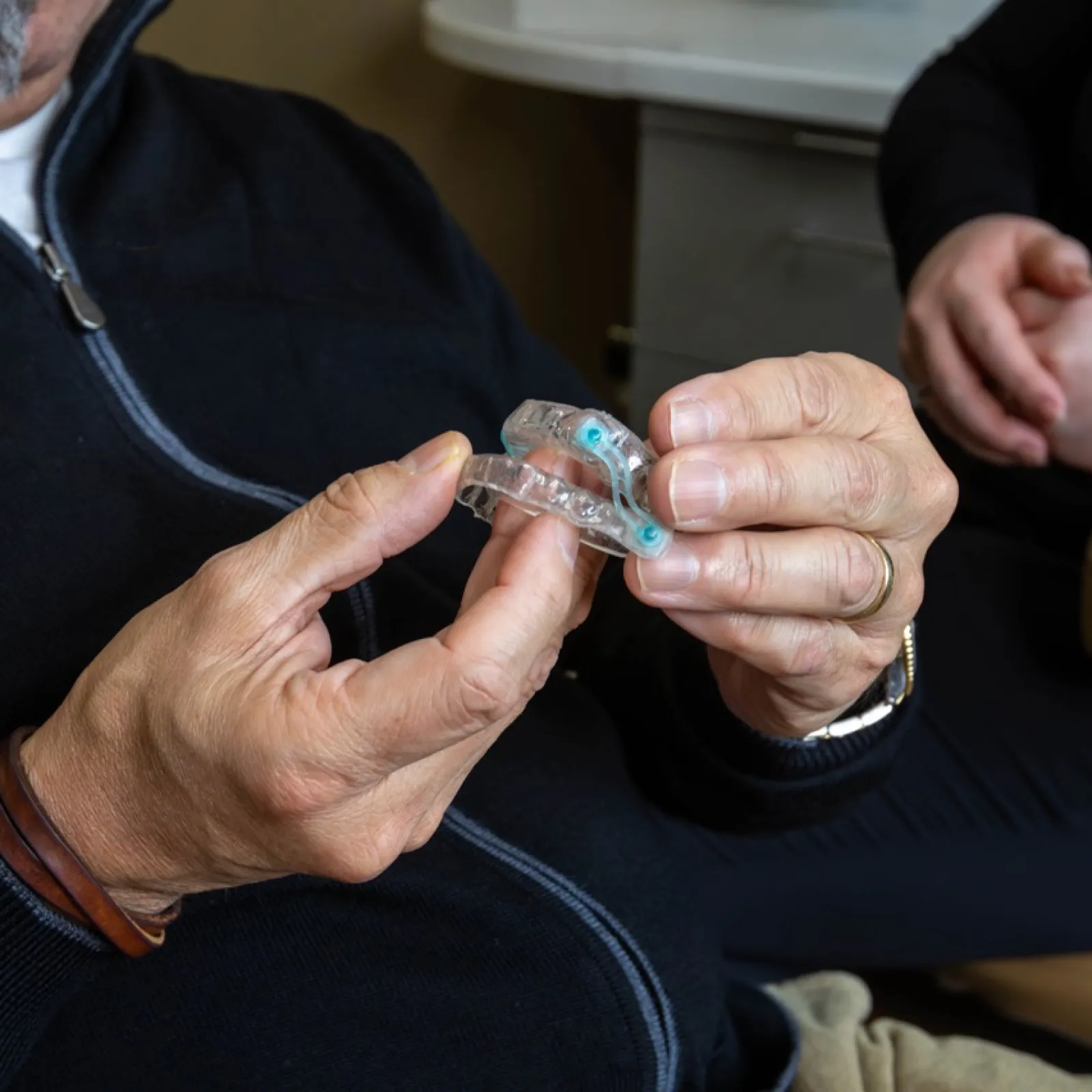
An oral sleep appliance is a type of treatment for sleep apnea. It can be a great alternative to a CPAP machine. An oral sleep appliance moves your lower jaw slightly forward to keep your airway open. The result is better sleep, allowing you to feel better and function better throughout the day. The appliance is custom-fitted just for you, so it will feel comfortable in your mouth while you sleep.
Can an oral sleep appliance help with sleep apnea?
Many people find relief for their sleep apnea symptoms when using an oral sleep appliance. Treatment with an appliance allows sleep apnea patients to get the beneficial rest they need without a CPAP machine. Just place it in your mouth at bedtime, and it will keep your airway open and eliminate your problems with sleep apnea.
How is a custom oral sleep appliance made?
A custom oral sleep appliance is made using digital impressions of your mouth taken with an intraoral scanner. Those impressions are sent to a lab partner who crafts your appliance to fit your mouth precisely. The result is a device that fits comfortably and positions your jaw correctly to keep your airway open while you sleep.
Is an oral sleep appliance comfortable to wear?
Most people find custom oral sleep appliances comfortable once they adjust to wearing them. Because the appliance is made specifically for your mouth using digital impressions, it fits better than an over-the-counter mouthguard. Some mild jaw soreness or increased saliva flow is normal in the first few weeks. Follow-up adjustments can be made to improve comfort and ensure the best fit.
Can an oral sleep appliance replace a CPAP machine?
An oral sleep appliance can replace a CPAP machine for many patients, particularly those with mild to moderate obstructive sleep apnea or those who struggle to use their CPAP consistently. The decision to switch is made in coordination with your physician, who evaluates your sleep study results and overall health to determine whether an appliance alone is sufficient for your situation.
Who is a good candidate for an oral sleep appliance?
Adults with mild to moderate obstructive sleep apnea are typically the best candidates for oral sleep appliances. People who find their CPAP uncomfortable, noisy, or difficult to use regularly may also benefit from switching to an appliance. A sleep apnea screening followed by a physician referral for a sleep study helps determine whether an oral appliance is the right treatment option for you.
How do I care for my oral sleep appliance?
Care for your oral sleep appliance by rinsing it with cool water each morning and brushing it gently with a soft toothbrush and mild soap. Avoid using extremely hot water, as it can warp the material. Store it in the protective case provided when not in use, and keep it away from pets and young children. Bring it to your dental checkups so your dentist can inspect it for wear and ensure it still fits correctly.
How long do oral sleep appliances last?
Most oral sleep appliances last three to five years with proper care. Some last longer depending on the material and how well they are maintained. Regular dental checkups allow your dentist to monitor the condition of your appliance and recommend replacement when needed. Grinding your teeth during sleep can accelerate wear and may shorten the lifespan of the device.


